

Developing next-generation genome editing for blood disorders
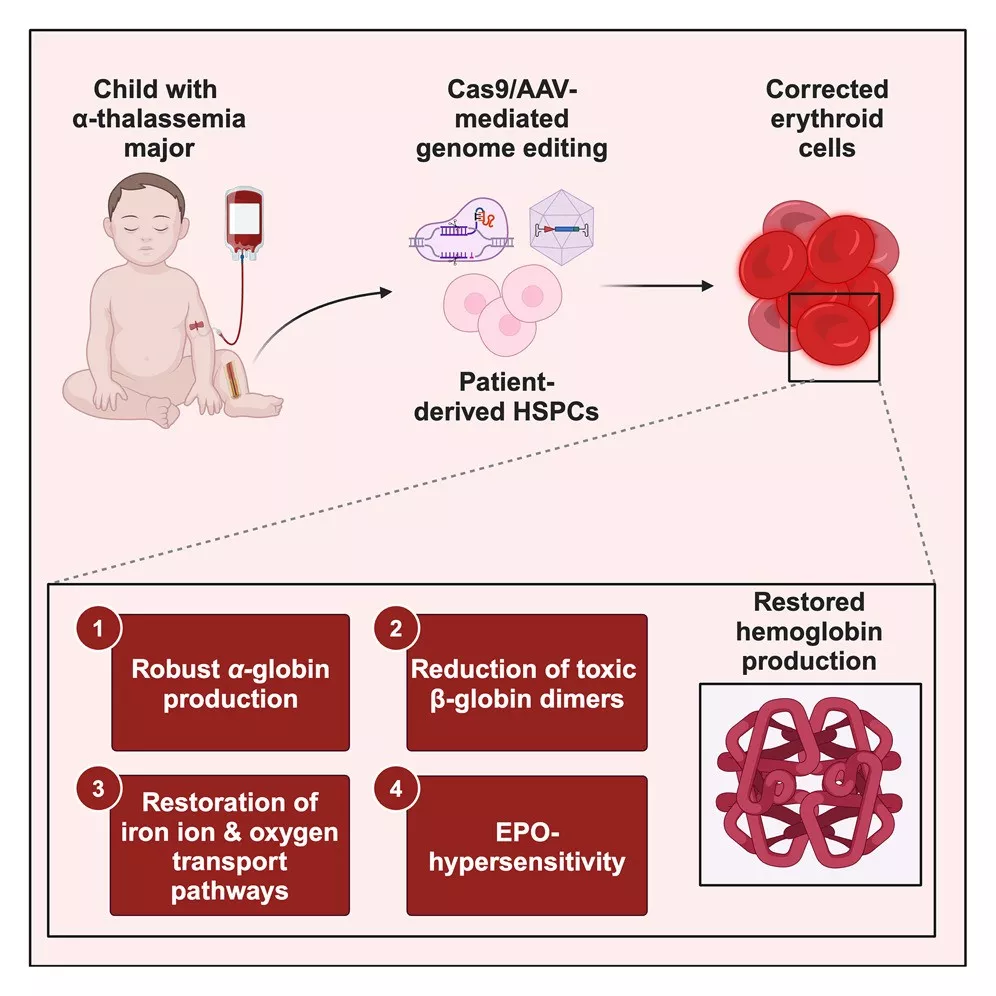
α-Thalassemia is a severe genetic blood disorder caused by the loss of genes required to produce hemoglobin, the protein in red blood cells that carries oxygen throughout the body. In this study, we used precision genome editing to insert a functional α-globin gene into patients’ blood-forming stem cells, restoring their ability to make balanced, healthy hemoglobin. But then we went a step further. Rather than simply correcting the genetic defect and returning cells to a “normal” state, we paired gene correction with a genome engineering strategy that enhances red blood cell production. This dual strategy not only restores hemoglobin balance but also boosts the output of therapeutically relevant cells. The work highlights a next generation of genome editing therapies where we are moving beyond simple gene repair toward combining corrective and therapeutic-enhancing edits to create more powerful and effective cell therapies.