

Investigating and improving the safety of CRISPR tools
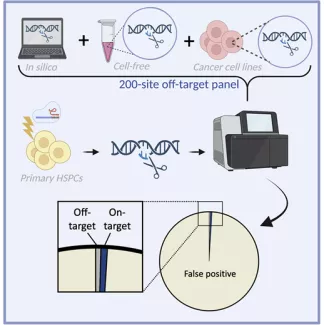
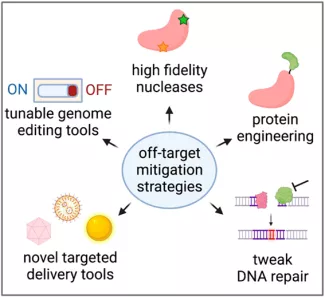
CRISPR genome editing is transforming medicine, but ensuring its safety is just as important as demonstrating its power. In my lab, we rigorously evaluate how often CRISPR makes unintended DNA changes and tested the most advanced methods available to detect them. By comparing multiple computational prediction tools and experimental detection platforms side-by-side in clinically relevant human blood stem cells, we identify the most accurate strategies for uncovering rare off-target events. We then apply ultra-deep clinical sequencing approaches to show that high-fidelity CRISPR editing does not introduce or enrich for cancer-associated mutations in primary human stem cells. Together, this work establishes a framework for systematically measuring, monitoring, and minimizing unintended genome edits, ultimately ensuring that CRISPR-based therapies are not only effective, but safe for patients.